For many couples, building a family is one of life's most meaningful aspirations. However, conceiving a baby is not always as easy as expected. Fertility depends on the reproductive health of both partners, and male fertility plays an equally important role in achieving pregnancy. Low sperm count, medically termed oligospermia, ranks among the most common causes of male infertility.
A diagnosis of low sperm count can be concerning, but it does not mean that fatherhood is impossible. Many men with this condition are able to conceive naturally, while others successfully become parents with the help of fertility treatments such as IUI, IVF, or ICSI. Understanding the causes, symptoms, and treatment options can help you take the right steps toward improving your reproductive health.
Low sperm count, medically known as oligospermia, occurs when the number of sperm in a semen sample is lower than the normal range. According to the World Health Organization (WHO), a healthy sperm concentration is generally 15 million sperm per milliliter of semen or more.
A lower sperm count means fewer sperm are available to reach and fertilize the egg, which may reduce the chances of natural conception. That said, sperm count is just one factor influencing male fertility. Fertility specialists also evaluate sperm movement (motility), sperm shape (morphology), semen quality, and overall reproductive health before recommending the most suitable treatment.
Several factors can affect sperm production. In many cases, the condition results from a combination of multiple contributing factors.
Medical Conditions
Certain health conditions can interfere with sperm production, including:
• Varicocele (enlarged veins around the testicles)
• Hormonal imbalances
• Testicular infections
• Diabetes
• Undescended testicles
• Genetic disorders
• Previous surgery involving the reproductive organs
Lifestyle Factors
Daily habits can also have a significant impact on sperm health.
Common lifestyle-related causes include:
• Smoking
• Excessive alcohol consumption
• Recreational drug use
• Poor diet
• Obesity
• Lack of exercise
• Chronic stress
• Inadequate sleep
Environmental Factors
Exposure to certain environmental conditions may reduce sperm production, such as:
• Industrial chemicals
• Pesticides
• Heavy metals
• Radiation
• Frequent exposure to high temperatures
Symptoms of Low Sperm Count
One of the challenges of low sperm count is that it often develops without obvious symptoms. Many men discover the condition only after seeking medical help for fertility concerns.
Possible signs may include:
• Difficulty conceiving despite regular unprotected intercourse
• Reduced sexual desire
• Erectile dysfunction
• Pain or swelling in the testicles
• Reduced facial or body hair growth, which may be associated with hormonal imbalance
If you and your partner have been trying to conceive for more than one year without success, consulting a fertility specialist is recommended. Early diagnosis allows timely treatment and may improve the chances of conception.
Some men have a higher risk of developing low sperm count than others. Risk factors include:
• Smoking regularly
• Drinking excessive alcohol
• Being overweight
• Long-term exposure to harmful chemicals
• Diabetes
• Previous chemotherapy
• Untreated reproductive infections
• Regular use of anabolic steroids
Being aware of these risk factors can help guide healthier lifestyle choices that support fertility.
If pregnancy is not occurring naturally, your doctor may recommend a fertility evaluation.
The primary diagnostic test is a semen analysis, which measures:
• Sperm count
• Sperm motility
• Sperm morphology
• Semen volume
• Semen pH
• Signs of infection
Depending on the results, additional tests may include:
• Hormone testing
• Scrotal ultrasound
• Genetic testing
• Urine analysis
• Sperm DNA fragmentation test
These investigations help identify the underlying cause and guide the most appropriate treatment plan.
Yes. A low sperm count does not automatically mean that pregnancy is impossible.
Many couples conceive naturally, particularly when sperm quality remains good. However, if conception is taking longer than expected, fertility treatment may improve the chances of pregnancy.
Success depends on several factors, including:
• Sperm count
• Sperm movement
• Sperm shape
• Female partner's fertility
• Age of both partners
• Overall reproductive health
Every couple's situation is different, which is why a personalized fertility evaluation is important.
Although not every case can be prevented, adopting a healthier lifestyle may improve sperm quality and overall fertility.
Eat a Nutrient-Rich Diet
A balanced diet provides essential nutrients needed for healthy sperm production.
Include foods rich in:
• Zinc
• Selenium
• Vitamin C
• Vitamin E
• Omega-3 fatty acids
• Folate
• Protein
Fresh fruits, vegetables, fish, eggs, nuts, seeds, and whole grains are excellent choices.
Maintain a Healthy Weight
Excess body weight can affect hormone balance and reduce sperm production. Regular exercise and healthy eating can help maintain an ideal weight.
Quit Smoking
Smoking has been linked to poor sperm quality and damage to sperm DNA. Quitting smoking can help improve sperm health over time.
Limit Alcohol Intake
Heavy alcohol consumption may interfere with hormone production and negatively affect sperm quality. Drinking in moderation or avoiding alcohol altogether can support reproductive health.
Exercise Regularly
Moderate physical activity helps improve circulation, hormone balance, and overall health. That said, excessive exercise and anabolic steroid use should be avoided, as both can negatively impact fertility.
Manage Stress
Long-term stress can disrupt hormone levels that influence sperm production. Activities such as yoga, meditation, walking, and getting adequate sleep may help reduce stress.
Avoid Excessive Heat
Frequent exposure to high temperatures around the testicles may temporarily reduce sperm production. Wearing loose-fitting clothing and avoiding prolonged heat exposure can be beneficial.
Treatment Options for Low Sperm Count
Treatment options vary based on the underlying cause identified during evaluation.
Medications
Doctors may prescribe medications to correct hormonal imbalances or treat infections affecting fertility.
Varicocele Surgery
If enlarged veins around the testicles are reducing sperm production, surgical repair may improve fertility.
Hormone Therapy
Hormone treatment may be recommended when low hormone levels are contributing to reduced sperm production.
Assisted Reproductive Treatments
If lifestyle changes and medications do not result in pregnancy, assisted reproductive techniques may be recommended.
Intrauterine Insemination (IUI)
IUI involves placing specially prepared sperm directly into the uterus during ovulation, increasing the chances of fertilization. Couples considering IUI Treatment in Ghaziabad should undergo a detailed fertility assessment before beginning treatment.
In Vitro Fertilization (IVF)
IVF is a widely used fertility treatment in which eggs are fertilized with sperm in a laboratory before the embryo is transferred into the uterus.
Intracytoplasmic Sperm Injection (ICSI)
For severe male infertility or extremely low sperm count, ICSI Treatment Ghaziabad offers an advanced solution by injecting a single healthy sperm directly into the egg, significantly improving the likelihood of fertilization.
You should seek medical advice if:
• Pregnancy has not occurred after one year of regular unprotected intercourse.
• Your partner is over 35 years of age and pregnancy has not occurred after six months.
• You have a history of testicular injury or surgery.
• You experience erectile dysfunction or persistent testicular pain.
• You have concerns about your fertility.
If you are looking for Male and Female Infertility Evaluation in Ghaziabad, early diagnosis can help identify the cause and improve treatment outcomes.
While some causes cannot be prevented, adopting healthy habits may reduce the risk.
• Eat a balanced diet.
• Exercise regularly.
• Maintain a healthy weight.
• Avoid smoking and recreational drugs.
• Limit alcohol intake.
• Get enough sleep.
• Manage stress.
• Protect the testicles from injury.
• Seek treatment for infections promptly.
Low sperm count is a common cause of male infertility, but it does not mean your dream of becoming a parent is over. With early diagnosis, appropriate medical care, and healthy lifestyle changes, many men are able to improve their fertility and achieve a successful pregnancy.
If you and your partner have been trying to conceive without success, consulting a trusted Fertility Clinic in Ghaziabad can help you understand the underlying cause and explore the most suitable treatment options. At FertiCore Fertility & IVF Centre, experienced fertility specialists provide personalized care, comprehensive fertility assessments, and advanced reproductive treatments to support your journey toward parenthood.
 IVF Success Rate in Ghaziabad - What Actually Influences Treatment Outcomes
 FertiCore Fertility & IVF Centre - Personalised Fertility Care in Indirapuram
 From Your First Consultation to IVF Treatment - What Your Fertility Journey at FertiCore May Look Like
 IVF Centre Near Me in Ghaziabad — What to Look For Before You Choose
 Best IVF Center in Vaishali, Indirapuram & Raj Nagar Extension, Ghaziabad – How to Choose the Right Fertility Clinic
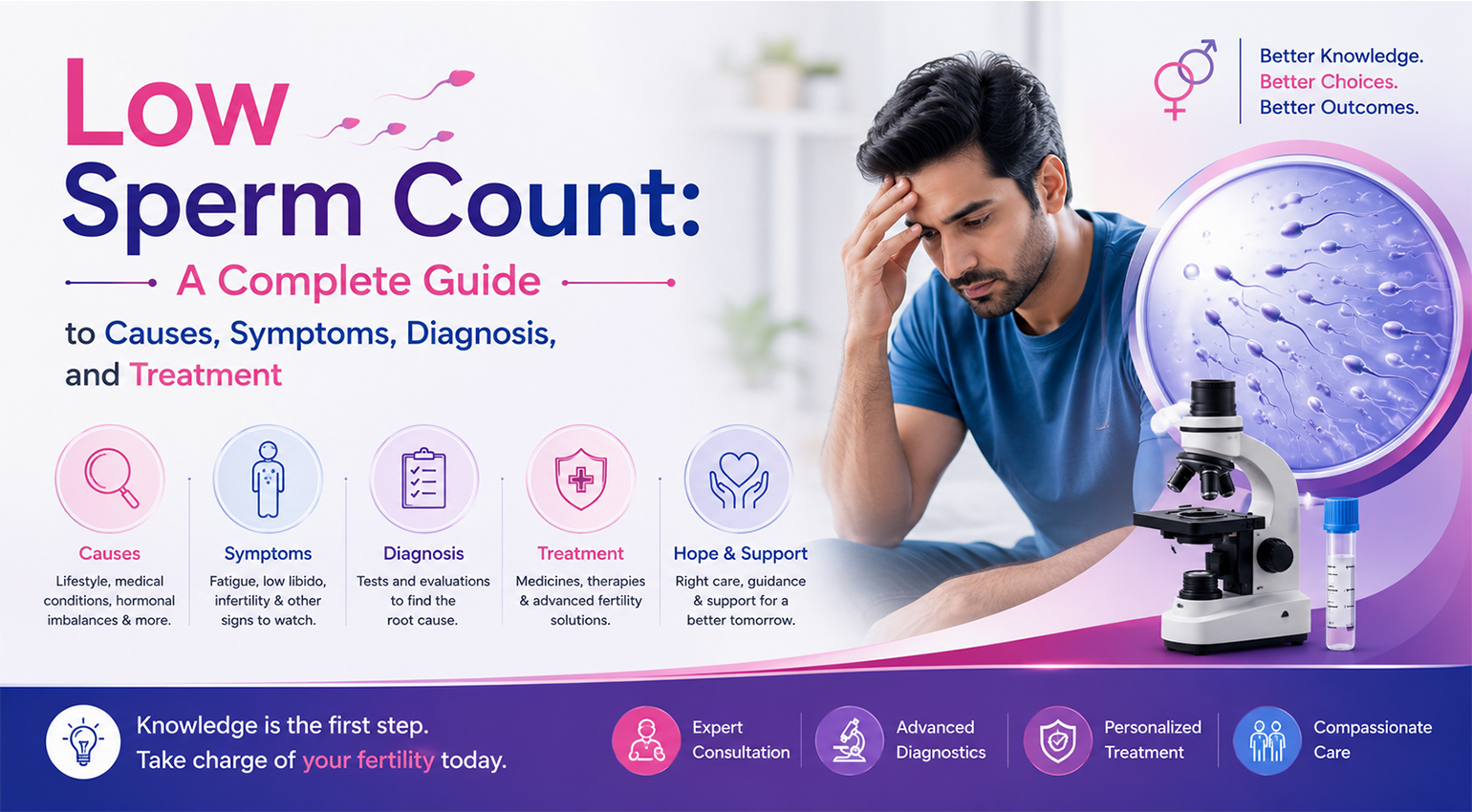 Low Sperm Count: A Complete Guide to Causes, Symptoms, Diagnosis, and Treatment
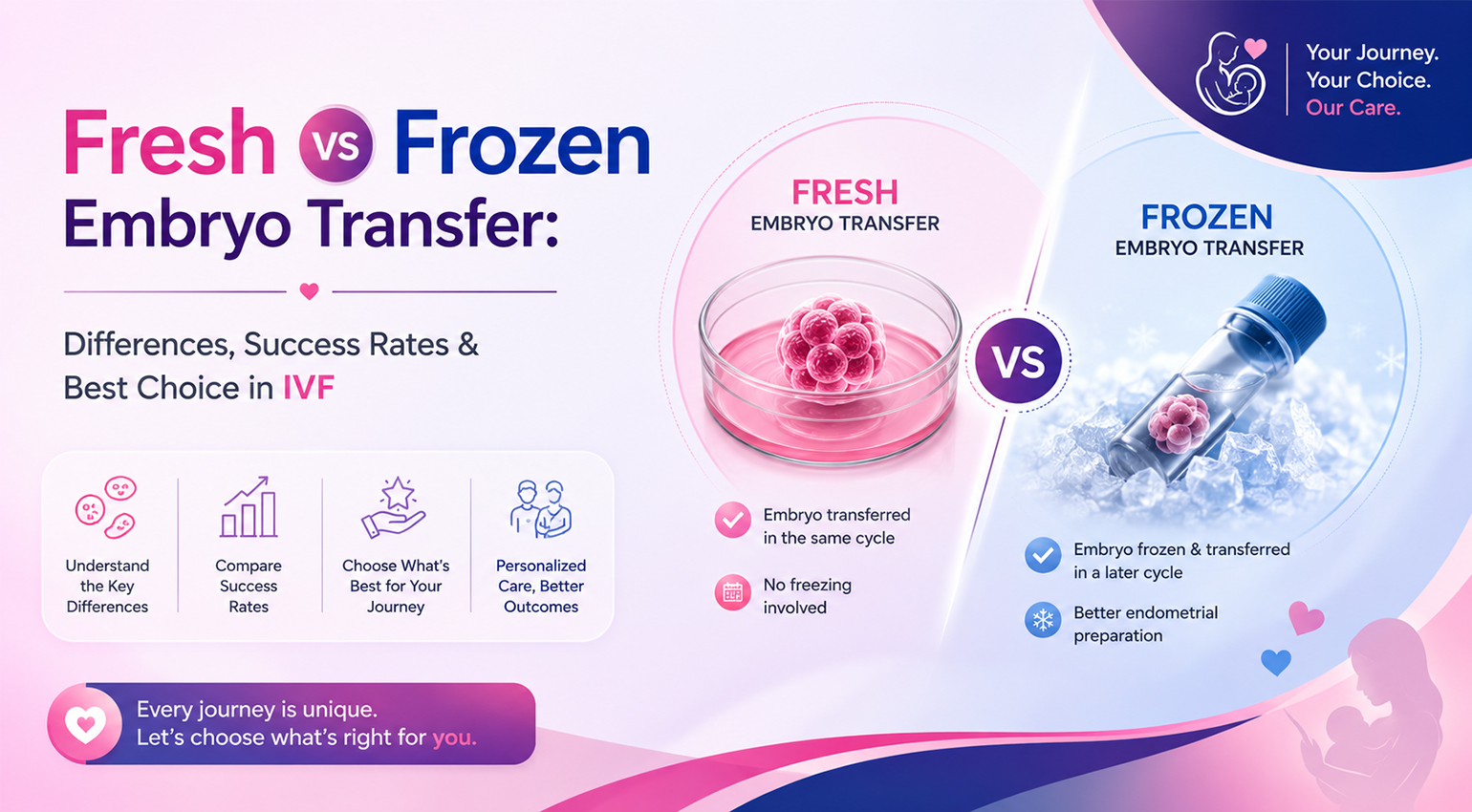 Fresh vs Frozen Embryo Transfer: Differences, Success Rates & Best Choice in IVF
 Understanding ICSI Treatment: Who May Need It, How It Works and What to Expect
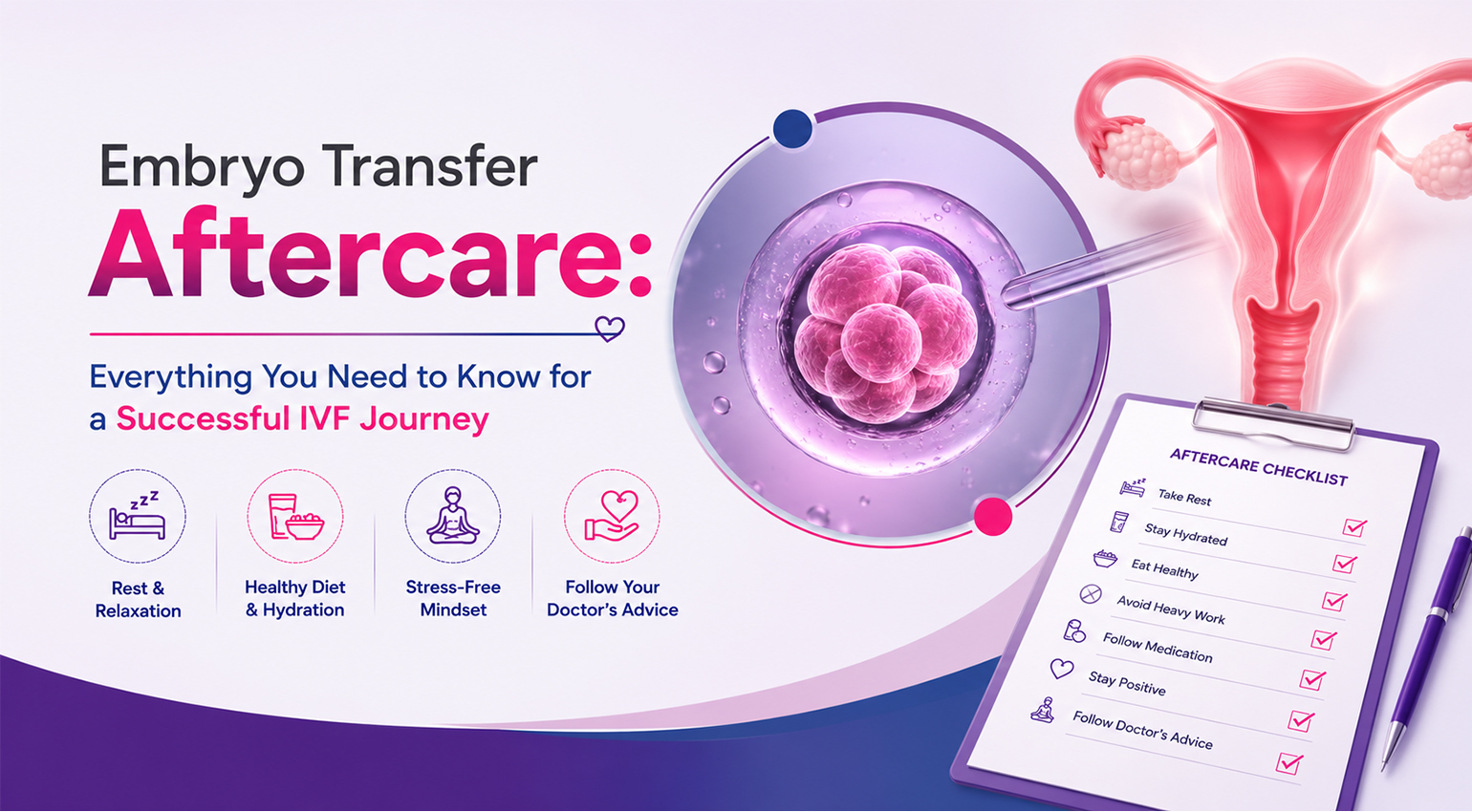 Embryo Transfer Aftercare: Everything You Need to Know for a Successful IVF Journey
 IVF After 35: What You Really Need to Know About Success Rates, Expectations and Treatment Options
 Natural Strategies to Enhance Egg Quality for IVF Success - Ferticore IVF Centre
 All You Need to Know About Preserving Female Fertility
 7 Signs That Your Embryo Transfer May Have Been Successful
 Understanding the Connection between Stress and Infertility
 Everything You Need to Know About Evaluation of Male Infertility
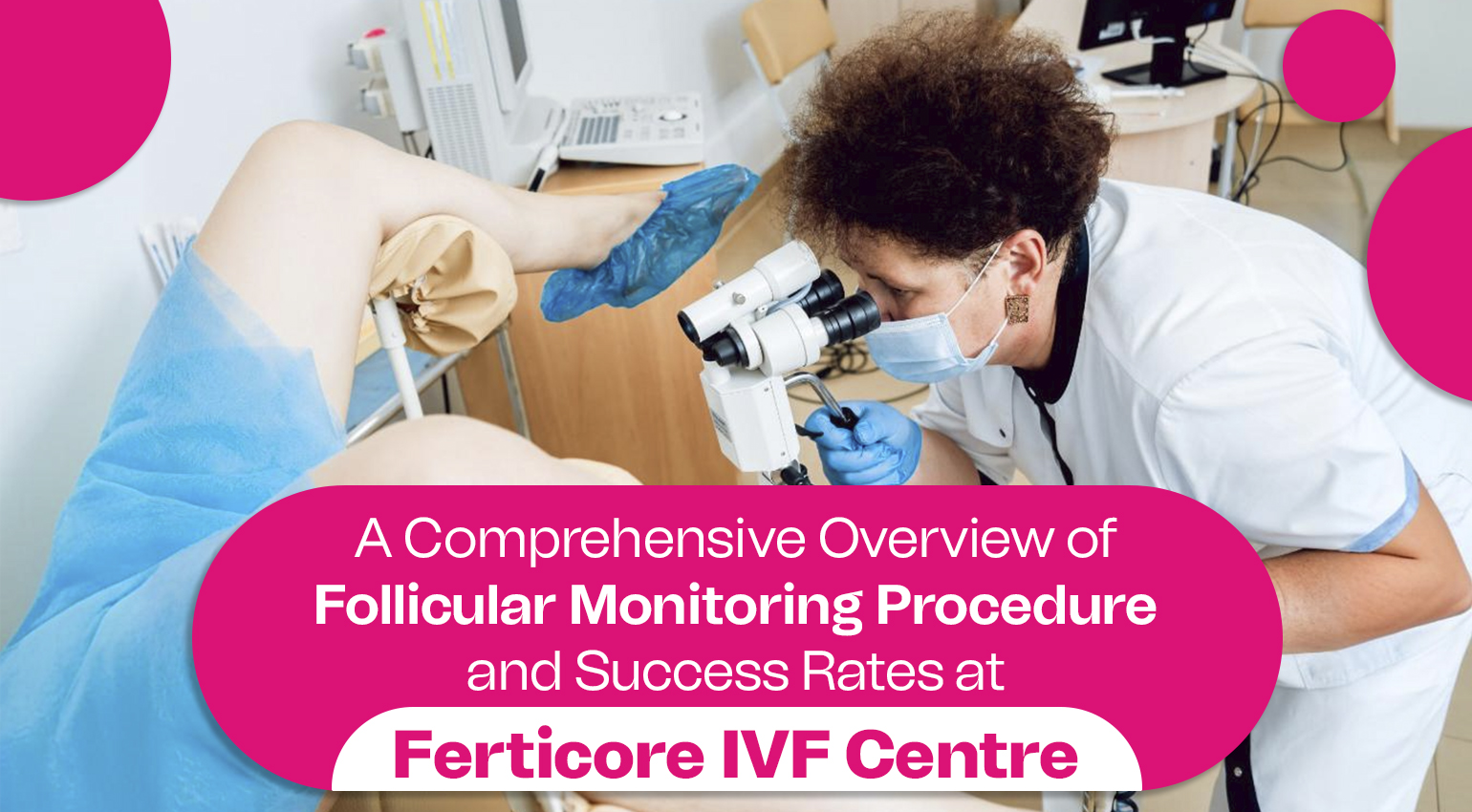 A Comprehensive Overview of Follicular Monitoring Procedure and Success Rates at Ferticore IVF Centre
 10 Key Questions to Ask Your Fertility Specialist About IVF at Ferticore IVF Center
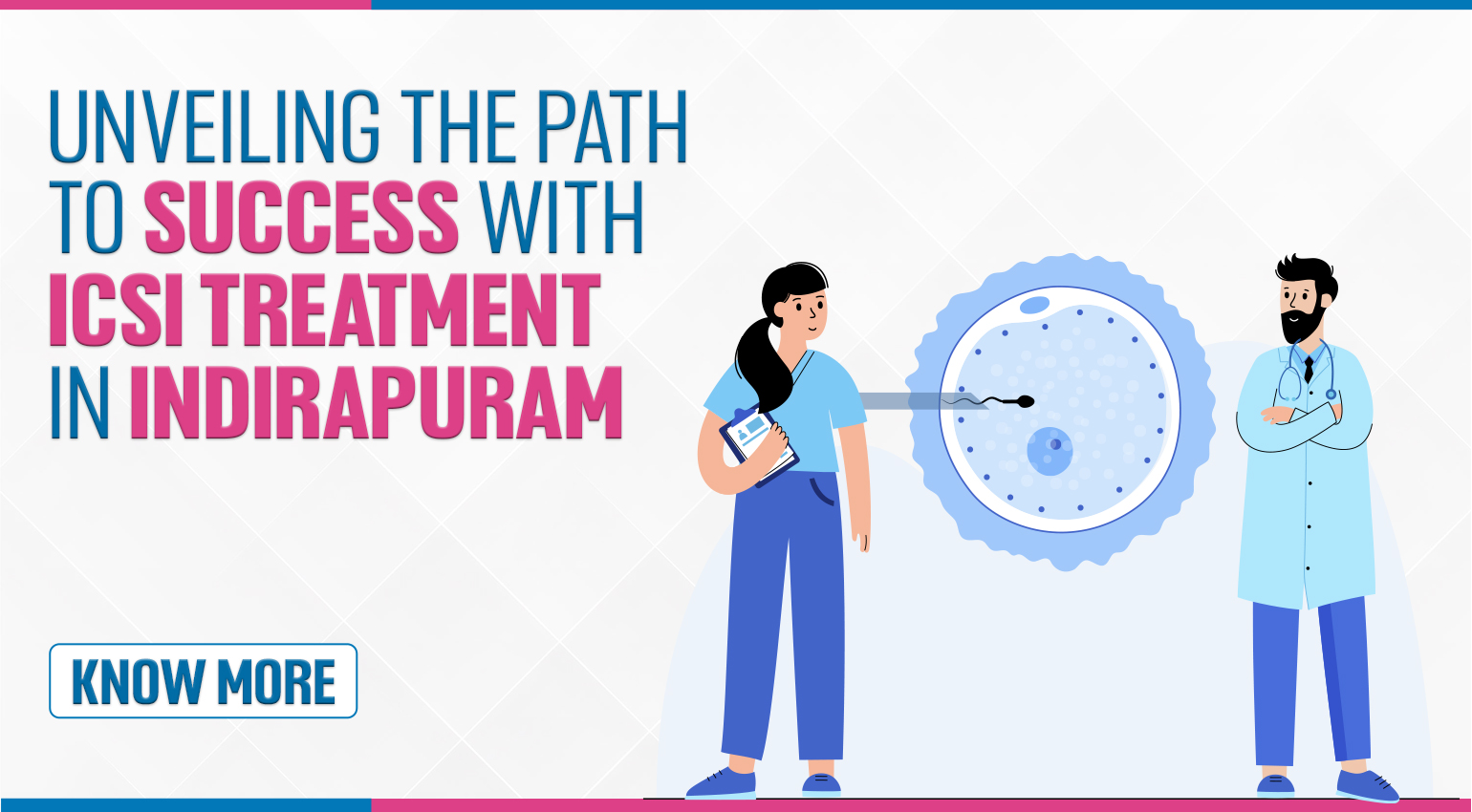 Unveiling the Path to Success with ICSI Treatment in Indirapuram - Ferticore IVF Centre
 Everything You Need To Know about Laparoscopy Surgery at Ferticore IVF Centre
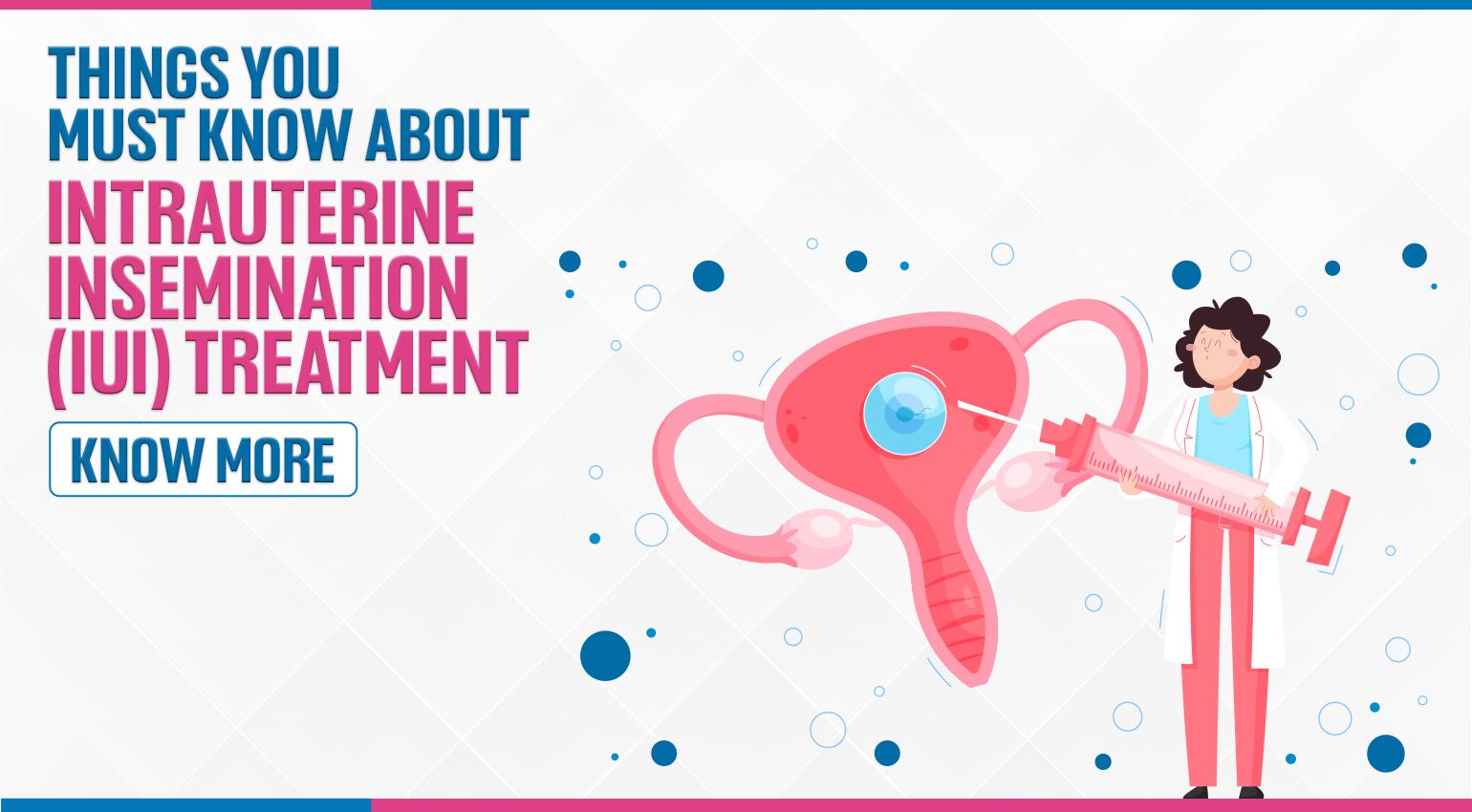 Things You Must Know About Intrauterine Insemination (IUI) Treatment- Ferticore IVF centre
 Understanding Fertility: Common Causes and Treatments
 Personalized Care in IVF: Tailoring Treatments for Individual Needs
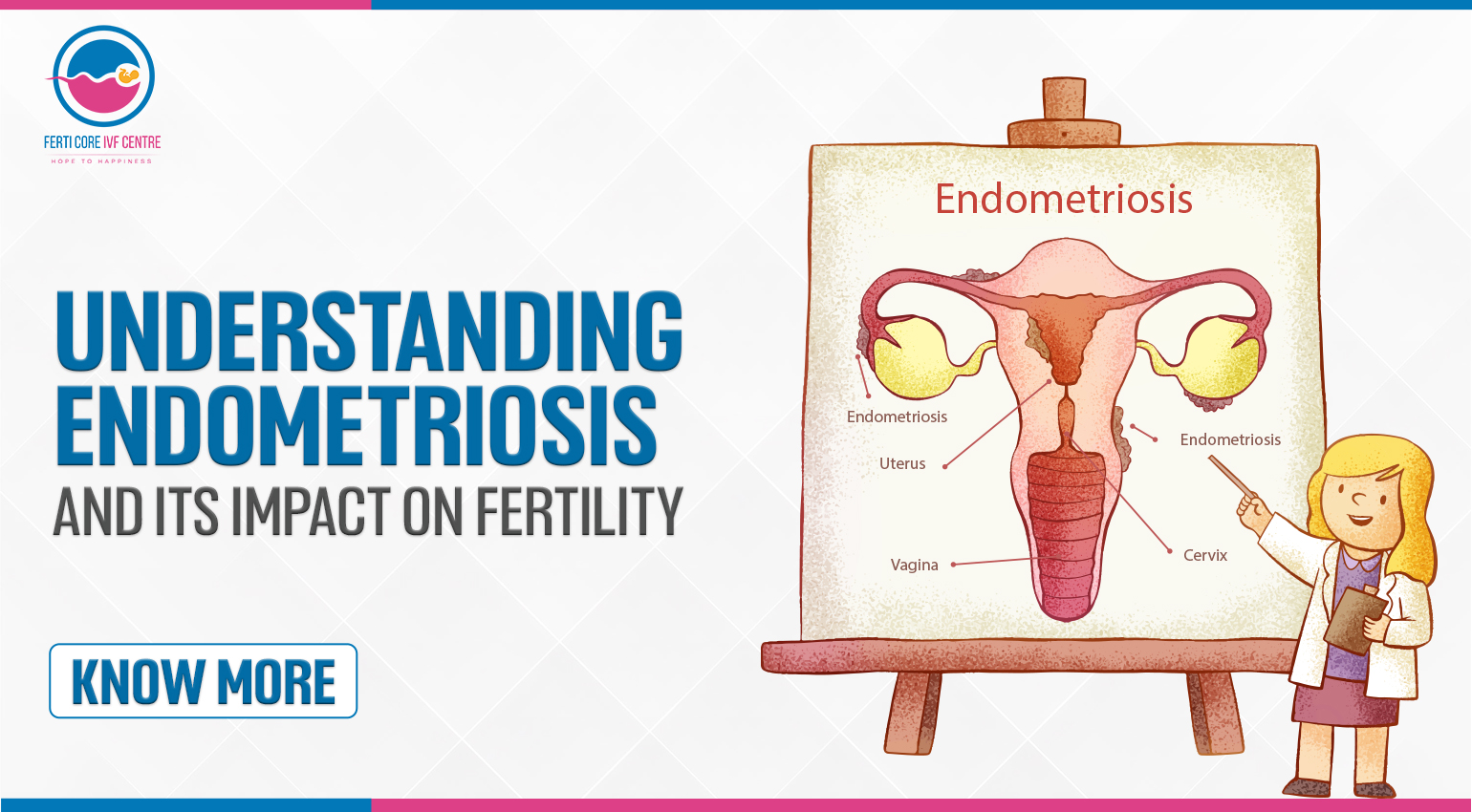 Understanding Endometriosis and its Impact on Fertility
 Navigating the IVF Journey: A Step-by-Step Guide
 10 Best Foods That Can Enhance IVF Success and Boost Fertility Naturally
Copyright © 2026 . Designed By Wafi Media Marketing Solutions Pvt. Ld.