When couples start exploring IVF treatment, one of the first questions they often ask is, “What is the IVF success rate?”
It is a completely understandable question. IVF involves time, emotional investment, medical appointments and financial planning, so patients naturally want to know what their chances may be.
However, IVF success is not determined by a single number. The outcome can vary significantly from one patient or couple to another. Factors such as age, fertility diagnosis, egg and sperm quality, embryo development, previous treatment history and the type of treatment used can all influence outcomes.
If you are considering IVF treatment in Ghaziabad, understanding these factors can help you have a more informed conversation with your fertility specialist.
What Does IVF Success Rate Actually Mean?
The term “IVF success rate” can refer to different outcomes, such as pregnancy, clinical pregnancy or live birth. It can also be calculated per treatment cycle, egg retrieval or embryo transfer.
This is important because two clinics may report their results using different measures. Therefore, simply comparing one percentage with another may not provide a complete picture.
Published ART data also show that success rates can vary according to factors such as age, infertility diagnosis, previous pregnancy and the assisted reproductive procedure used. A clinic's overall rate should not be treated as an individual's personal chance of success.
Your fertility specialist can give you a more meaningful assessment after understanding your medical history and fertility evaluation.
1. Age Can Influence IVF Outcomes
Age is one of the important factors considered when assessing IVF outcomes, particularly when a patient is using her own eggs.
As age increases, changes in egg quantity and quality can affect the chances of obtaining embryos with the potential to result in a pregnancy and live birth.
This does not mean that IVF cannot be successful at an older age. Rather, it means that age is one of the factors your fertility specialist may consider when developing a treatment plan.
Instead of focusing only on an average IVF success percentage, it is more useful to ask:
2. Egg Quality and Ovarian Reserve
The number and quality of eggs available can also play an important role in IVF treatment.
During an IVF cycle, ovarian stimulation may be used to encourage the development of multiple follicles. However, the response to stimulation can vary from person to person.
Ovarian reserve testing and other clinical assessments may help the fertility specialist understand the reproductive situation and plan treatment accordingly.
It is important to remember that a particular test result does not tell the entire story. Your specialist considers the overall clinical picture rather than relying on one number alone.
3. Sperm Quality Also Matters
IVF is not only about female fertility.
Male fertility factors can contribute to difficulty conceiving and may also influence treatment planning. Depending on the situation, semen analysis and other assessments may be recommended.
In some cases, ICSI treatment may be considered as part of assisted reproduction. ICSI involves injecting a single sperm into an egg during the fertilisation process.
At FertiCore Fertility & IVF Centre, fertility evaluations take both male and female factors into account before a treatment plan is suggested.
4. Embryo Development Is an Important Part of IVF
After egg retrieval and fertilisation, embryos are monitored as they develop in the fertility laboratory.
Not every retrieved egg necessarily becomes a fertilised egg, and not every fertilised egg develops into an embryo suitable for transfer.
This is why the laboratory stage is an important part of an IVF cycle.
Embryo development can influence which embryos are available for transfer or freezing. The fertility team can explain the embryo development process and discuss the available options according to the individual treatment situation.
5. The Cause of Infertility Can Affect Treatment Outcomes
There are many possible causes of infertility, including ovulatory problems, tubal factors, endometriosis, diminished ovarian reserve, male-factor infertility and unexplained infertility.
The underlying reason for infertility can influence which treatment approach is considered and what factors may affect the outcome.
This is one reason why an IVF success percentage shown online cannot automatically be applied to every patient.
A personalised fertility assessment helps the specialist understand the factors relevant to your situation.
6. Previous IVF or Fertility Treatment History
Previous treatment history can also be relevant.
A couple may be considering IVF for the first time, while another may have already undergone IUI, IVF or another fertility treatment.
Your previous response to treatment, number of previous cycles, pregnancy history and other clinical information can help your fertility specialist understand your situation and plan the next step.
Rather than looking at IVF as a single standard procedure, treatment planning should take the patient's individual history into account.
7. IVF Laboratory and Clinical Expertise
The IVF process involves more than the consultation and procedures performed during a cycle. Laboratory procedures such as fertilisation and embryo culture are also important components of assisted reproduction.
The experience and training of the fertility and laboratory team, the services provided by the clinic and the patient population treated can all contribute to differences between reported clinic outcomes.
This is why patients should look beyond a headline success-rate percentage when evaluating a fertility centre.
Consider asking about:
Should You Choose a Clinic Only Because It Has a Higher Success Rate?
Not necessarily.
A higher published percentage does not automatically mean that the same result will apply to you. Clinic success rates can differ because clinics may treat different patient groups, use different treatment approaches and have different patient characteristics.
A better approach is to understand how the clinic's reported results are measured and then discuss your own circumstances with a qualified fertility specialist.
Ask whether the published figure refers to pregnancy, clinical pregnancy or live birth, and whether it is calculated per cycle, retrieval or embryo transfer.
Personalised IVF Treatment at FertiCore
At FertiCore Fertility & IVF Centre in Indirapuram, fertility treatment is tailored to each patient's clinical picture rather than a one-size-fits-all protocol.
Depending on the patient's evaluation, fertility care may include IVF, IUI, ICSI, fertility evaluation, follicular tracking, fertility preservation, embryo freezing and frozen embryo transfer.
The purpose of personalised care is not to promise a particular outcome. Instead, it is to understand the patient's fertility history, evaluate relevant factors and discuss treatment options that may be appropriate.
If you are exploring IVF treatment in Ghaziabad, understanding your own fertility profile can be more useful than focusing on a single average percentage.
Questions to Ask About IVF Success Rates
Before starting treatment, consider asking your fertility specialist:
These questions can help you understand the numbers in the right context.
Final Thoughts
There is no single IVF success rate that can accurately predict the outcome for every couple.
Age, egg and sperm factors, the cause of infertility, embryo development, previous treatment history and clinical and laboratory factors can all influence IVF outcomes. Even published clinic success rates need to be interpreted carefully because they may represent different patient populations and measurement methods.
If you are considering IVF treatment in Ghaziabad, the most useful first step is to discuss your individual situation with a qualified fertility specialist.
At FertiCore Fertility & IVF Centre in Indirapuram, a fertility consultation can help you understand your fertility evaluation, available treatment options and the factors that may be relevant to your individual treatment journey.
Book a Fertility Consultation in Ghaziabad
Every fertility journey is different, and the best way to understand what IVF might look like for you is a one-on-one conversation with a specialist. Book a consultation at FertiCore Fertility & IVF Centre, Indirapuram, Ghaziabad to discuss your fertility evaluation and the treatment path that may suit you. [Mobile No: 97173 45439 / 97170 45039]
Frequently Asked Questions
Q: What is a good IVF success rate?
A: There is no single success-rate percentage that can be considered “good” for every patient. Success rates depend on factors such as age, diagnosis, treatment type and how the outcome is measured.
Q: Does age affect IVF success?
A: Yes. Age is an important factor, particularly when using a patient's own eggs. Your fertility specialist can explain how age and other clinical factors may influence your treatment.
Q: Does sperm quality affect IVF treatment?
A: Male fertility factors can contribute to infertility and may influence treatment planning. Depending on the situation, semen analysis and additional evaluation may be recommended.
Q: Can I know my personal IVF success rate before treatment?
A: A clinic's average success rate cannot predict an individual's exact outcome. A fertility specialist can assess your age, medical history, fertility factors and previous treatment history to discuss your individual situation.
Q: Should I choose an IVF centre only based on its success rate?
A: No. Success rates should be considered alongside the clinic's treatment approach, fertility and laboratory expertise, patient population, facilities, communication and the way results are reported. Comparing headline percentages alone can be misleading.
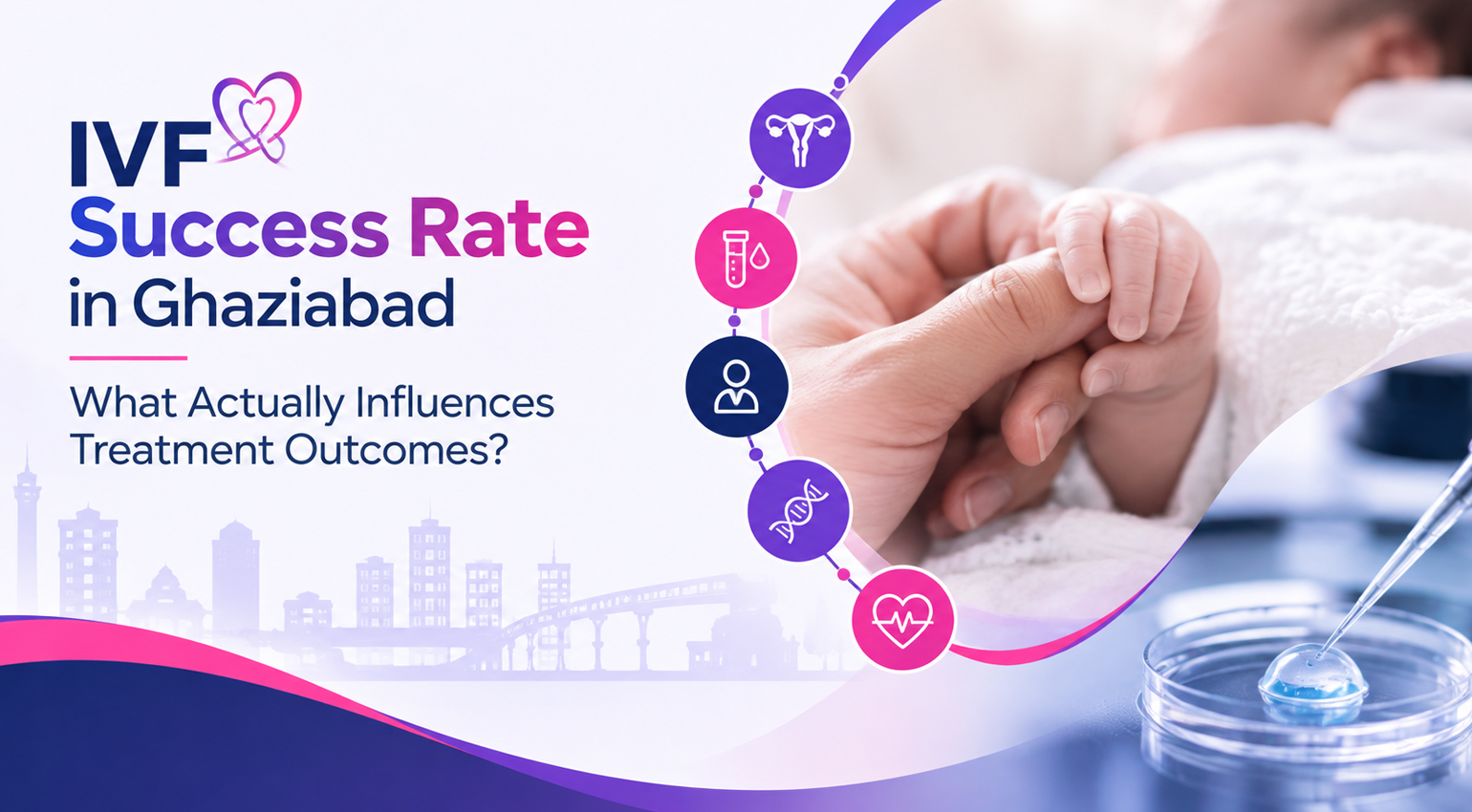 IVF Success Rate in Ghaziabad - What Actually Influences Treatment Outcomes
 FertiCore Fertility & IVF Centre - Personalised Fertility Care in Indirapuram
 From Your First Consultation to IVF Treatment - What Your Fertility Journey at FertiCore May Look Like
 IVF Centre Near Me in Ghaziabad — What to Look For Before You Choose
 Best IVF Center in Vaishali, Indirapuram & Raj Nagar Extension, Ghaziabad – How to Choose the Right Fertility Clinic
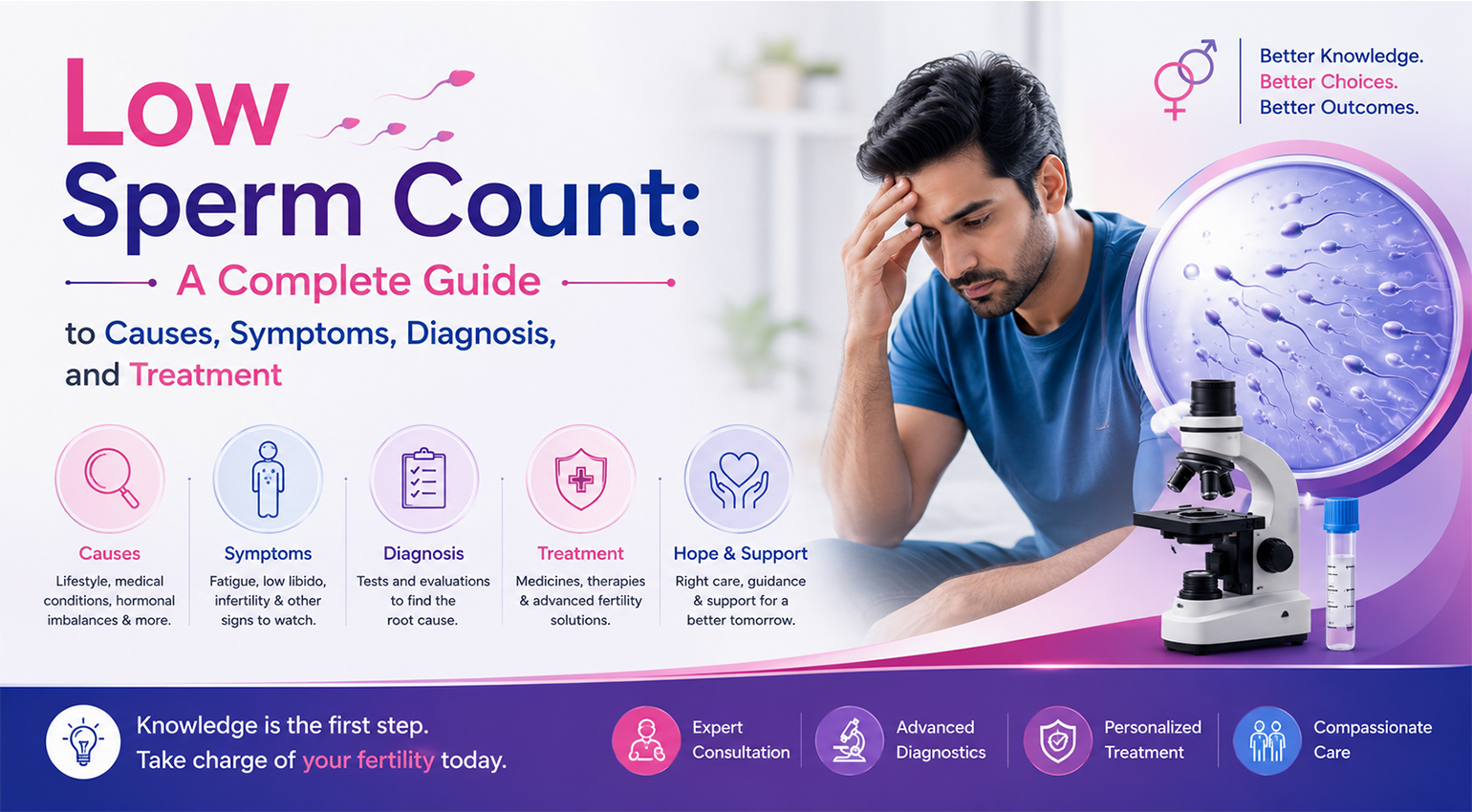 Low Sperm Count: A Complete Guide to Causes, Symptoms, Diagnosis, and Treatment
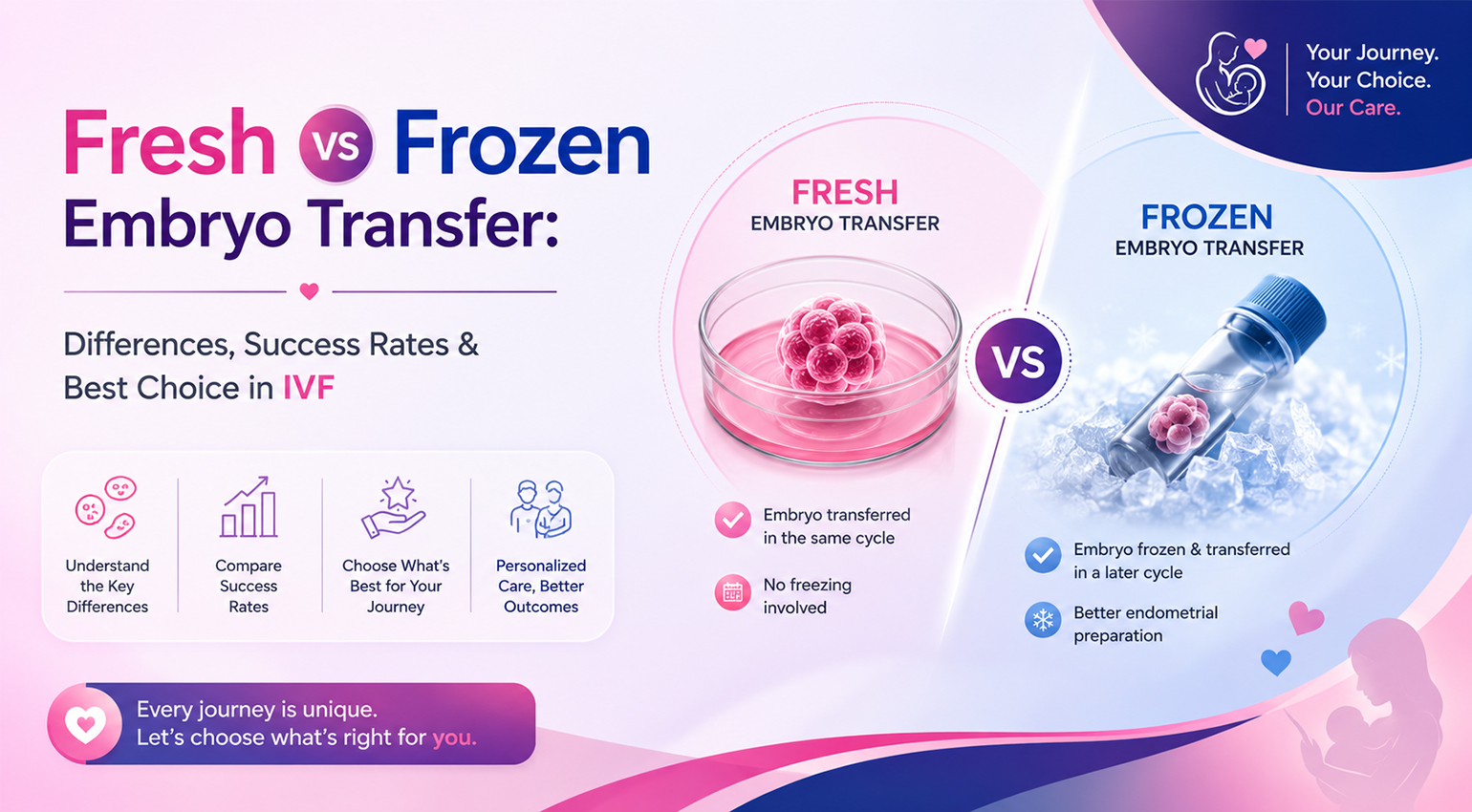 Fresh vs Frozen Embryo Transfer: Differences, Success Rates & Best Choice in IVF
 Understanding ICSI Treatment: Who May Need It, How It Works and What to Expect
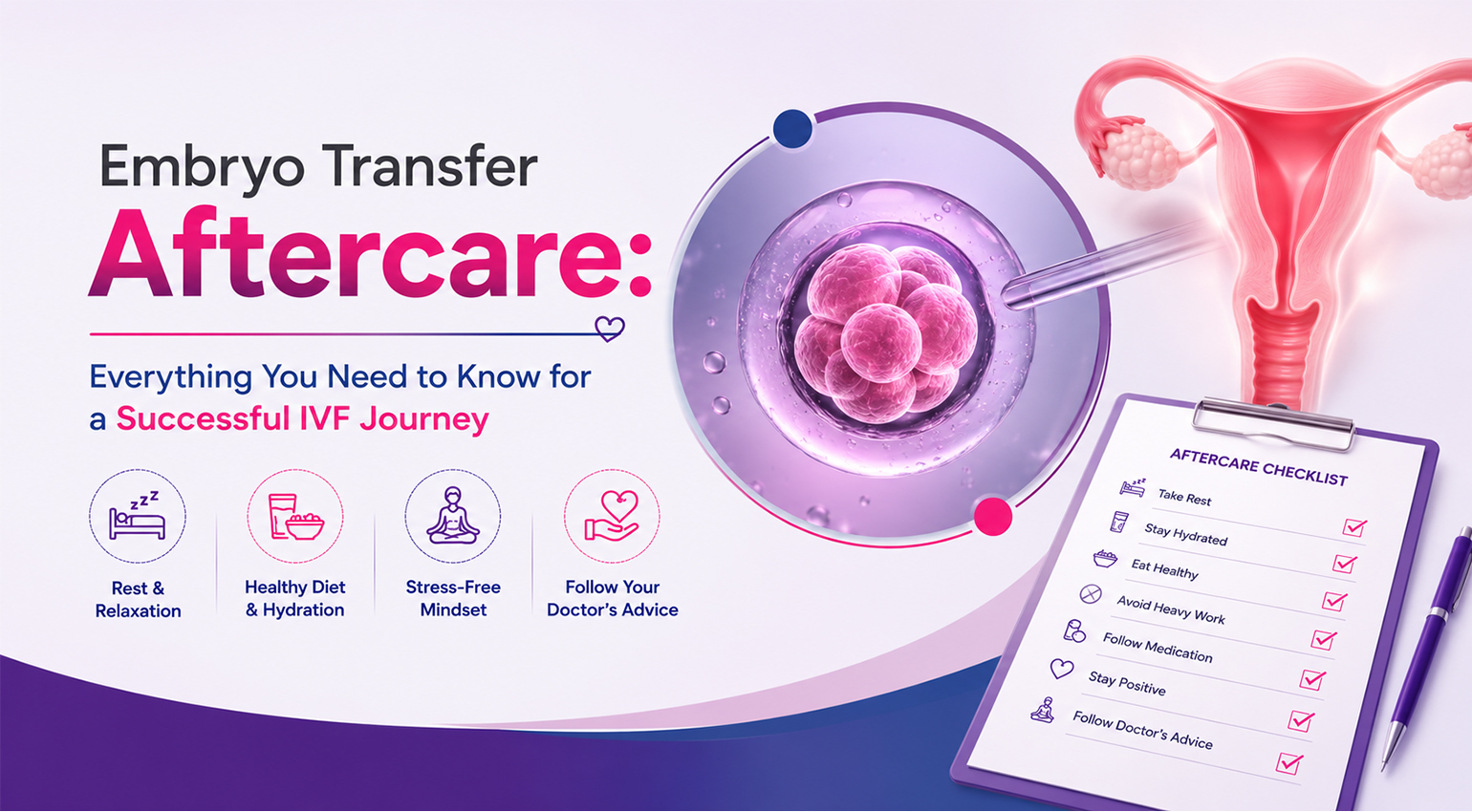 Embryo Transfer Aftercare: Everything You Need to Know for a Successful IVF Journey
 IVF After 35: What You Really Need to Know About Success Rates, Expectations and Treatment Options
 Natural Strategies to Enhance Egg Quality for IVF Success - Ferticore IVF Centre
 All You Need to Know About Preserving Female Fertility
 7 Signs That Your Embryo Transfer May Have Been Successful
 Understanding the Connection between Stress and Infertility
 Everything You Need to Know About Evaluation of Male Infertility
 A Comprehensive Overview of Follicular Monitoring Procedure and Success Rates at Ferticore IVF Centre
 10 Key Questions to Ask Your Fertility Specialist About IVF at Ferticore IVF Center
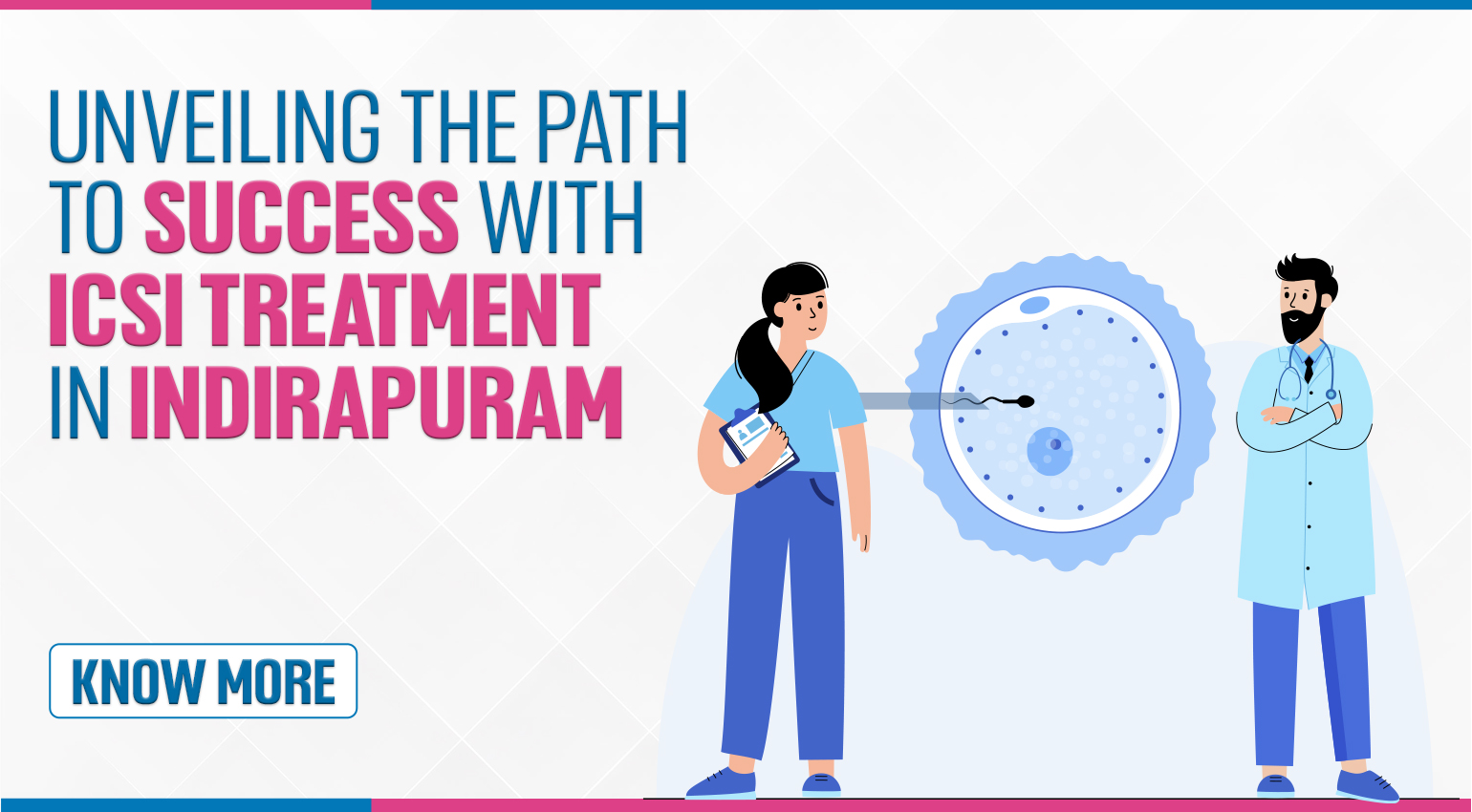 Unveiling the Path to Success with ICSI Treatment in Indirapuram - Ferticore IVF Centre
 Everything You Need To Know about Laparoscopy Surgery at Ferticore IVF Centre
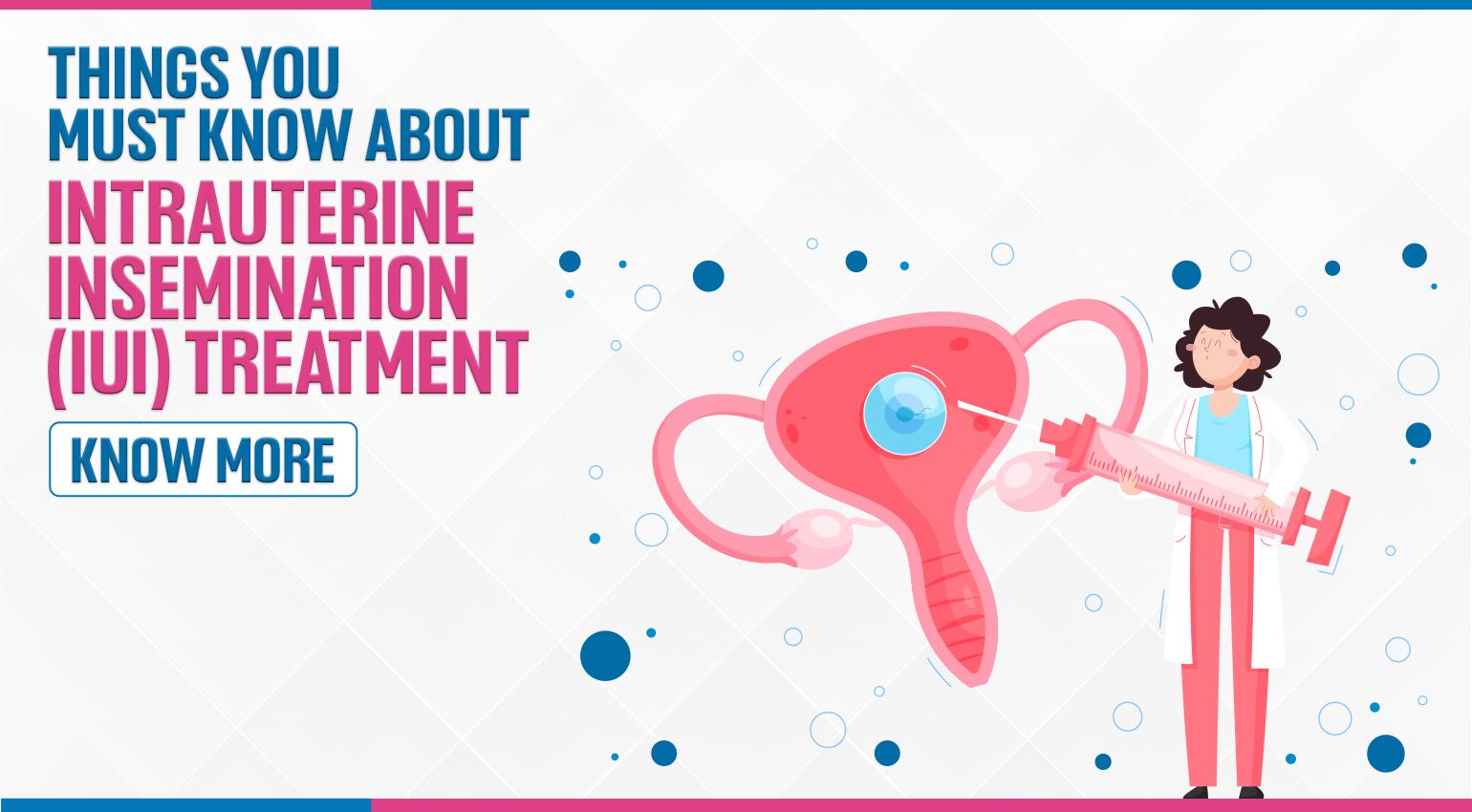 Things You Must Know About Intrauterine Insemination (IUI) Treatment- Ferticore IVF centre
 Understanding Fertility: Common Causes and Treatments
 Personalized Care in IVF: Tailoring Treatments for Individual Needs
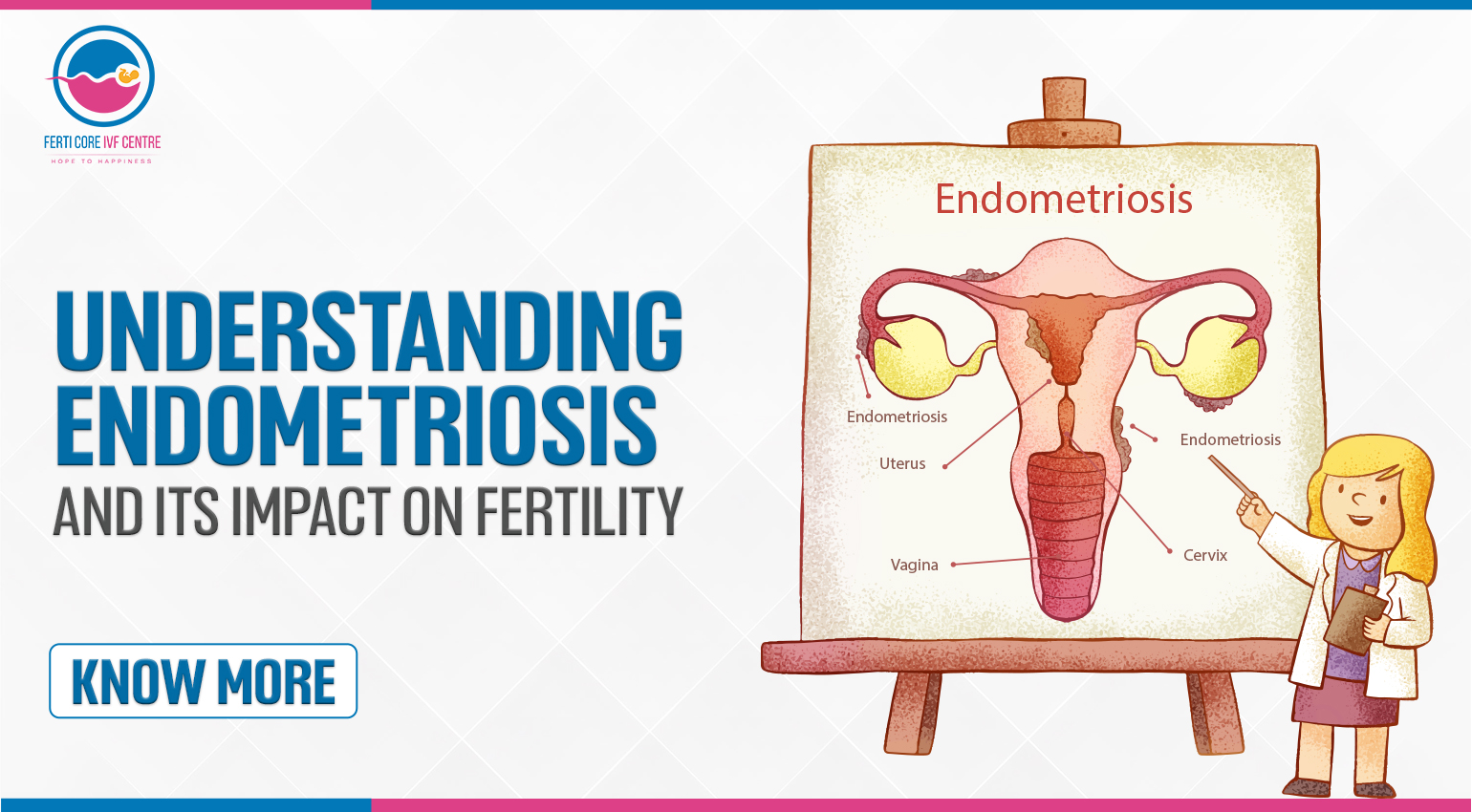 Understanding Endometriosis and its Impact on Fertility
 Navigating the IVF Journey: A Step-by-Step Guide
 10 Best Foods That Can Enhance IVF Success and Boost Fertility Naturally
Copyright © 2026 . Designed By Wafi Media Marketing Solutions Pvt. Ld.