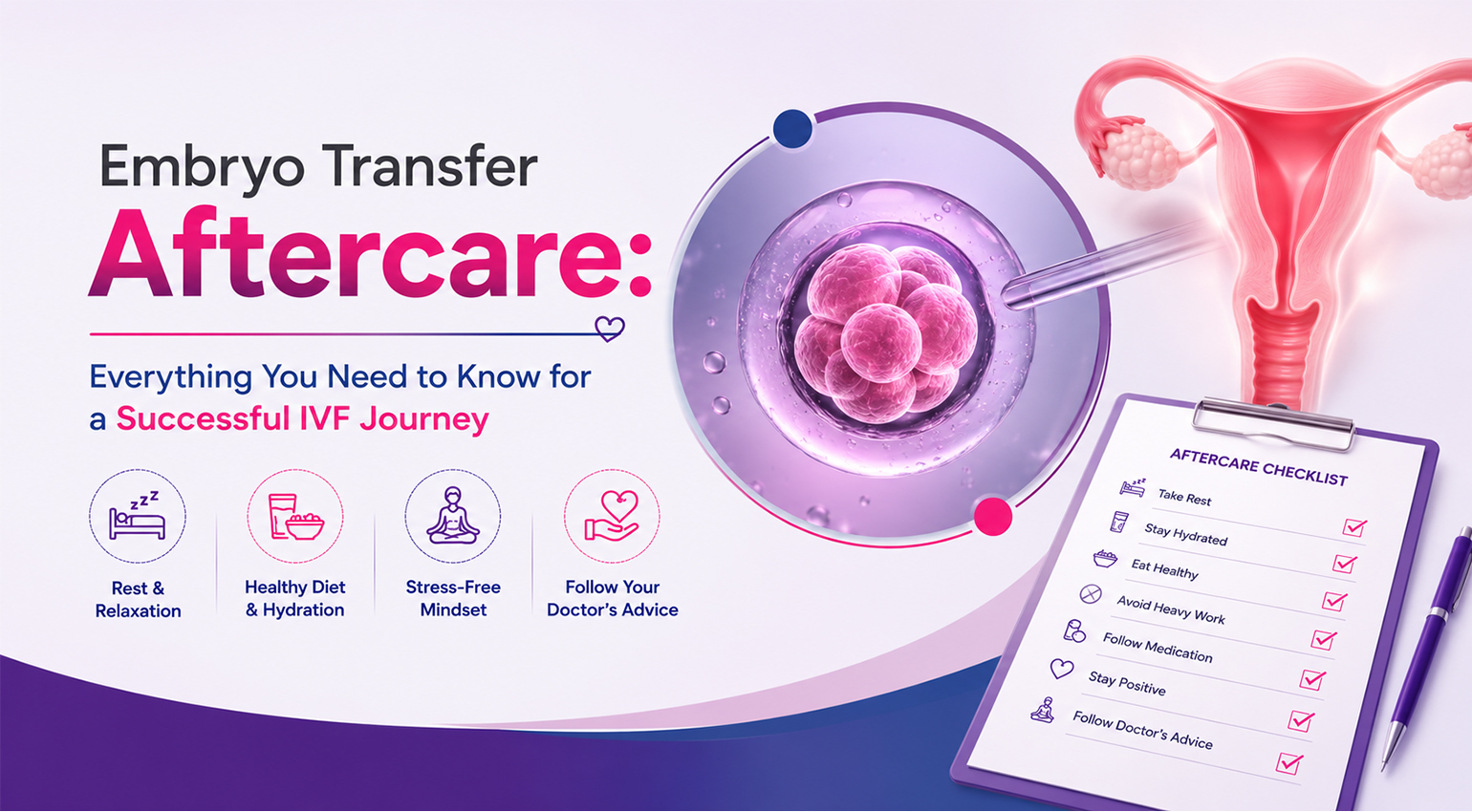
The days after an embryo transfer can be both exciting and emotionally challenging. It's completely normal to experience a mix of hope, excitement, and anxiety while paying close attention to every small change your body goes through. This waiting period, often called the two-week wait, is one of the most emotional stages of the IVF journey.
While you're waiting for your pregnancy test, your body is quietly doing the important work of supporting implantation. Although you may not feel any obvious symptoms, your embryo is beginning its journey toward attaching to the uterine lining and developing into a healthy pregnancy.
Knowing what to do — and what to avoid — during this phase can help you feel more confident and prepared. This guide brings together the same aftercare advice trusted couples receive from the best IVF centre in Ghaziabad, so you know exactly what to expect during your two-week wait.
Once the embryo is transferred into the uterus, it doesn't implant immediately. Over the next few days, several important biological changes take place.
The embryo first breaks free from its protective outer shell (known as the zona pellucida) before attaching itself to the uterine lining. If implantation is successful, the embryo begins producing human chorionic gonadotropin (hCG), the pregnancy hormone.
Usually, 10 to 14 days after embryo transfer, hCG levels become high enough to be detected through a blood pregnancy test.
Even if you don't experience noticeable symptoms during this period, your body is working continuously to create the ideal environment for pregnancy.
Taking care of yourself after embryo transfer doesn't mean staying in bed all day. Instead, it's about supporting your body with healthy habits that promote overall well-being.
1. Get Adequate Rest Without Complete Bed Rest
Many people believe complete bed rest improves IVF success, but research suggests otherwise.
You can continue gentle daily activities such as walking around the house or taking short walks. However, avoid physically demanding work, heavy lifting, or intense exercise.
Giving your body enough rest while remaining lightly active is generally considered the healthiest approach.
2. Take Your Medications Exactly as Prescribed
Your fertility specialist may prescribe medications such as progesterone to support the uterine lining and improve the chances of successful implantation.
Never skip doses or stop medications without consulting your doctor, even if you feel perfectly fine. Following your treatment plan carefully is one of the most important steps after embryo transfer.
3. Eat a Healthy and Balanced Diet
Good nutrition plays an important role in supporting your body during the implantation phase.
Include foods such as:
• Fresh fruits and vegetables
• Iron-rich leafy greens
• Lentils and legumes
• Eggs and paneer
• Whole grains
• Healthy fats
• Foods rich in Vitamin D and calcium
Avoid:
• Raw or undercooked meat
• High-mercury seafood
• Unpasteurized milk and dairy products
• Excess processed or junk food
• A balanced diet provides your body with the nutrients needed to support early pregnancy.
4. Take Care of Your Emotional Well-being
Feeling anxious during the two-week wait is completely normal.
Simple activities like reading, meditation, listening to music, gentle yoga (if approved by your doctor), deep breathing exercises, or spending time with family can help reduce stress.
Remember, emotional well-being is just as important as physical health during your IVF journey.
What Not to Do After Embryo Transfer (The Don'ts)
Certain habits may interfere with your recovery or increase unnecessary stress on your body. Following a few simple precautions during this period can help you feel more confident and support your recovery.
Avoid Heavy Exercise and Lifting
Light walking is perfectly fine, but avoid:
• Weight lifting
• Running
• High-intensity workouts
• Jumping exercises
• Heavy household work
These activities may put unnecessary strain on your body during the implantation period.
Stay Away From Excessive Heat
Avoid exposing your body to high temperatures through:
• Hot tubs
• Saunas
• Steam baths
• Heating pads placed over the abdomen
Maintaining a normal body temperature is generally recommended during the early stages after embryo transfer.
Don't Take a Pregnancy Test Too Soon
One of the biggest mistakes couples make is testing too early.
Although it can be difficult to wait, home pregnancy tests may show a false-negative result if hCG levels haven't risen enough.
For the most reliable result, wait until your fertility specialist schedules your beta-hCG blood test, usually around 10 to 14 days after embryo transfer.
Avoid Alcohol, Smoking and Too Much Caffeine
To give your body the best possible environment for implantation:
• Avoid alcohol completely.
• Stay away from smoking and tobacco products.
• Limit caffeine intake according to your doctor's recommendations.
Making healthy lifestyle choices can help create a supportive environment for embryo implantation and early pregnancy.
Mild cramping, slight bloating, or light spotting are often considered normal after embryo transfer.
However, certain symptoms should never be ignored.
Contact your fertility specialist immediately if you experience:
• Heavy or bright red bleeding
• Severe abdominal or pelvic pain
• Persistent fever
• Difficulty breathing
• Severe bloating
• Sudden weight gain
• Persistent vomiting
These symptoms may indicate complications such as Ovarian Hyperstimulation Syndrome (OHSS) or another medical condition that requires prompt attention.
If you notice any unusual symptoms, don't hesitate to contact the experienced fertility specialists at FertiCore Fertility & IVF Centre — the trusted IVF Centre Indirapuram, Ghaziabad, couples turn to for prompt, expert care.
Should You Stay in Bed After Embryo Transfer?
No. Complete bed rest is generally not recommended after embryo transfer. Most fertility specialists encourage light daily activities while avoiding strenuous physical exercise. Gentle movement helps maintain normal blood circulation and overall well-being.
When does implantation happen after embryo transfer?
Implantation usually takes place within 1 to 5 days after embryo transfer, depending on the stage of the embryo. Once implanted, the embryo begins producing the hCG hormone that confirms pregnancy.
Can I use a home pregnancy test after embryo transfer?
It's better to wait until your scheduled beta-hCG blood test. Testing too early at home may result in a false-negative because hCG levels may still be too low for detection.
What symptoms are considered normal after embryo transfer?
Many women experience mild symptoms such as:
• Light cramping
• Mild spotting
• Breast tenderness
• Fatigue
• Bloating
These symptoms are usually caused by hormonal medications or the implantation process itself and do not necessarily indicate pregnancy. However, if your symptoms become severe or are accompanied by heavy bleeding or fever, seek medical advice immediately.
The period after embryo transfer is often filled with hope, anticipation, and uncertainty. While it is natural to feel anxious, focusing on healthy habits, following your doctor's instructions, and staying positive can help make the waiting period more manageable.
At FertiCore Fertility & IVF Centre, we understand that every IVF journey is unique. Our experienced fertility specialists are committed to providing personalized care, expert guidance, and compassionate support throughout every stage of your treatment—from embryo transfer to pregnancy confirmation and beyond.
If you have any concerns after your embryo transfer, don't hesitate to reach out to our team. We're here to support you every step of the way.
 IVF Specialist in Ghaziabad - How to Choose the Right Fertility Doctor
 IVF Success Rate in Ghaziabad - What Actually Influences Treatment Outcomes
 FertiCore Fertility & IVF Centre - Personalised Fertility Care in Indirapuram
 From Your First Consultation to IVF Treatment - What Your Fertility Journey at FertiCore May Look Like
 IVF Centre Near Me in Ghaziabad — What to Look For Before You Choose
 Best IVF Center in Vaishali, Indirapuram & Raj Nagar Extension, Ghaziabad – How to Choose the Right Fertility Clinic
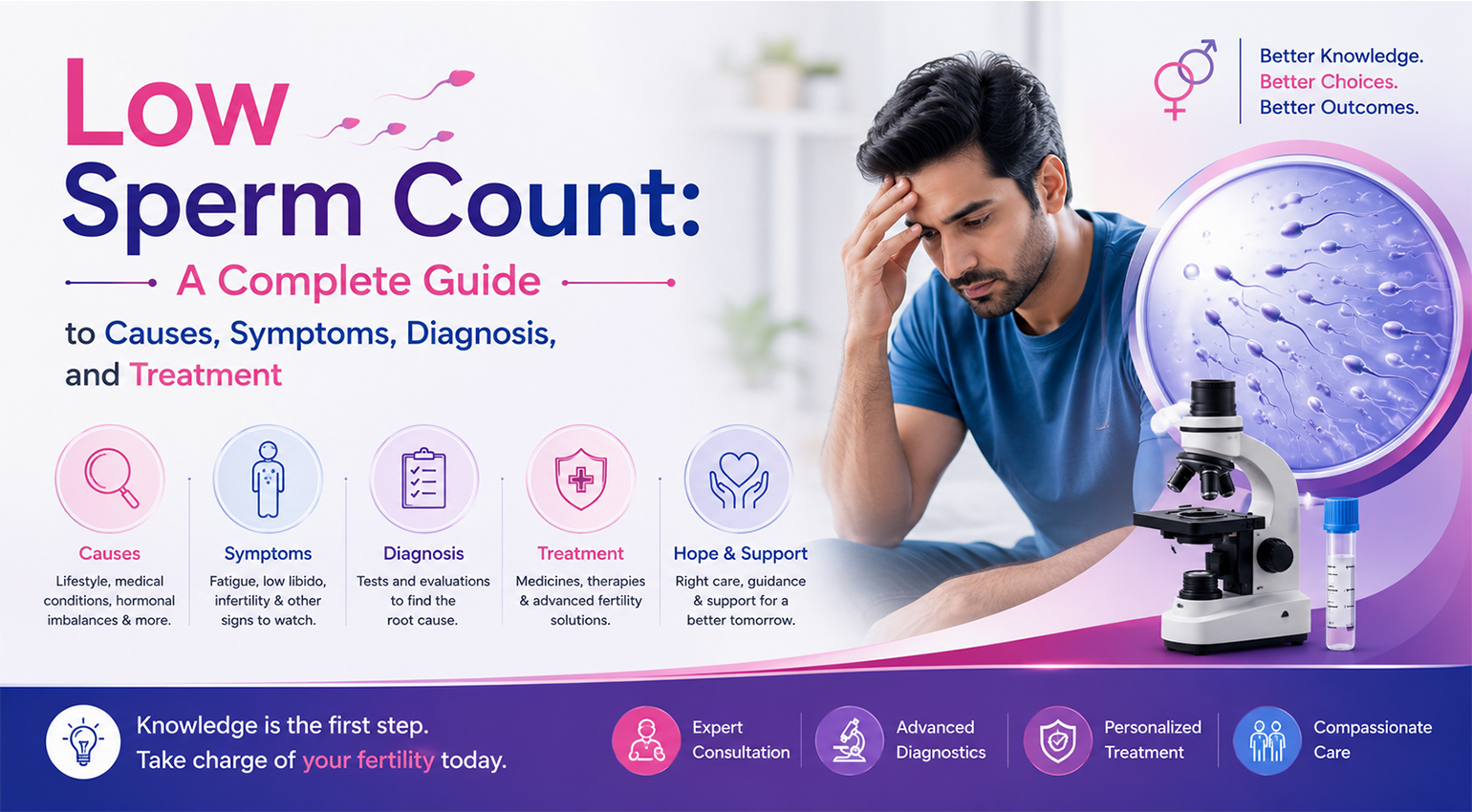 Low Sperm Count: A Complete Guide to Causes, Symptoms, Diagnosis, and Treatment
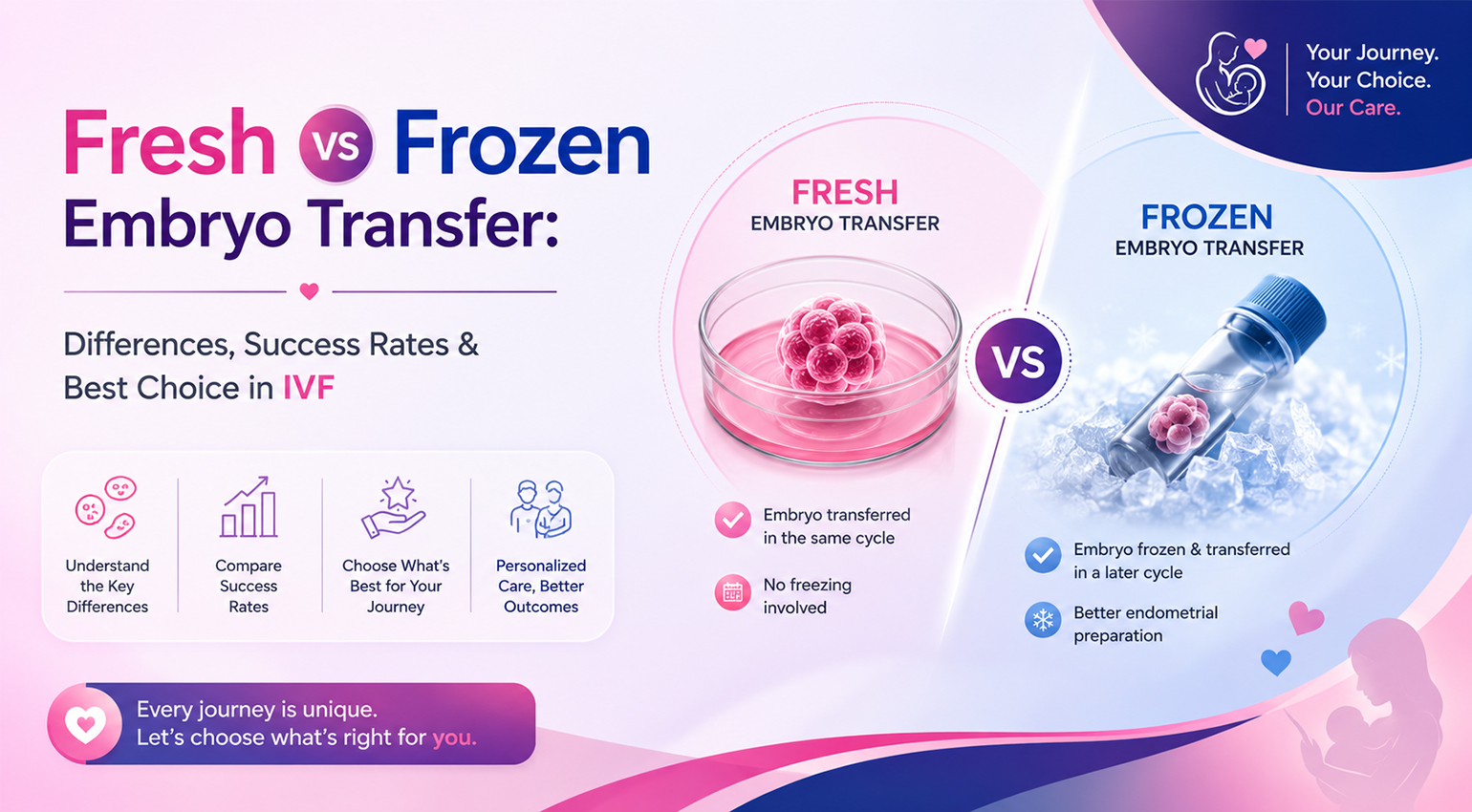 Fresh vs Frozen Embryo Transfer: Differences, Success Rates & Best Choice in IVF
 Understanding ICSI Treatment: Who May Need It, How It Works and What to Expect
Embryo Transfer Aftercare: Everything You Need to Know for a Successful IVF Journey
Understanding ICSI Treatment: Who May Need It, How It Works and What to Expect
Embryo Transfer Aftercare: Everything You Need to Know for a Successful IVF Journey
 IVF After 35: What You Really Need to Know About Success Rates, Expectations and Treatment Options
 Natural Strategies to Enhance Egg Quality for IVF Success - Ferticore IVF Centre
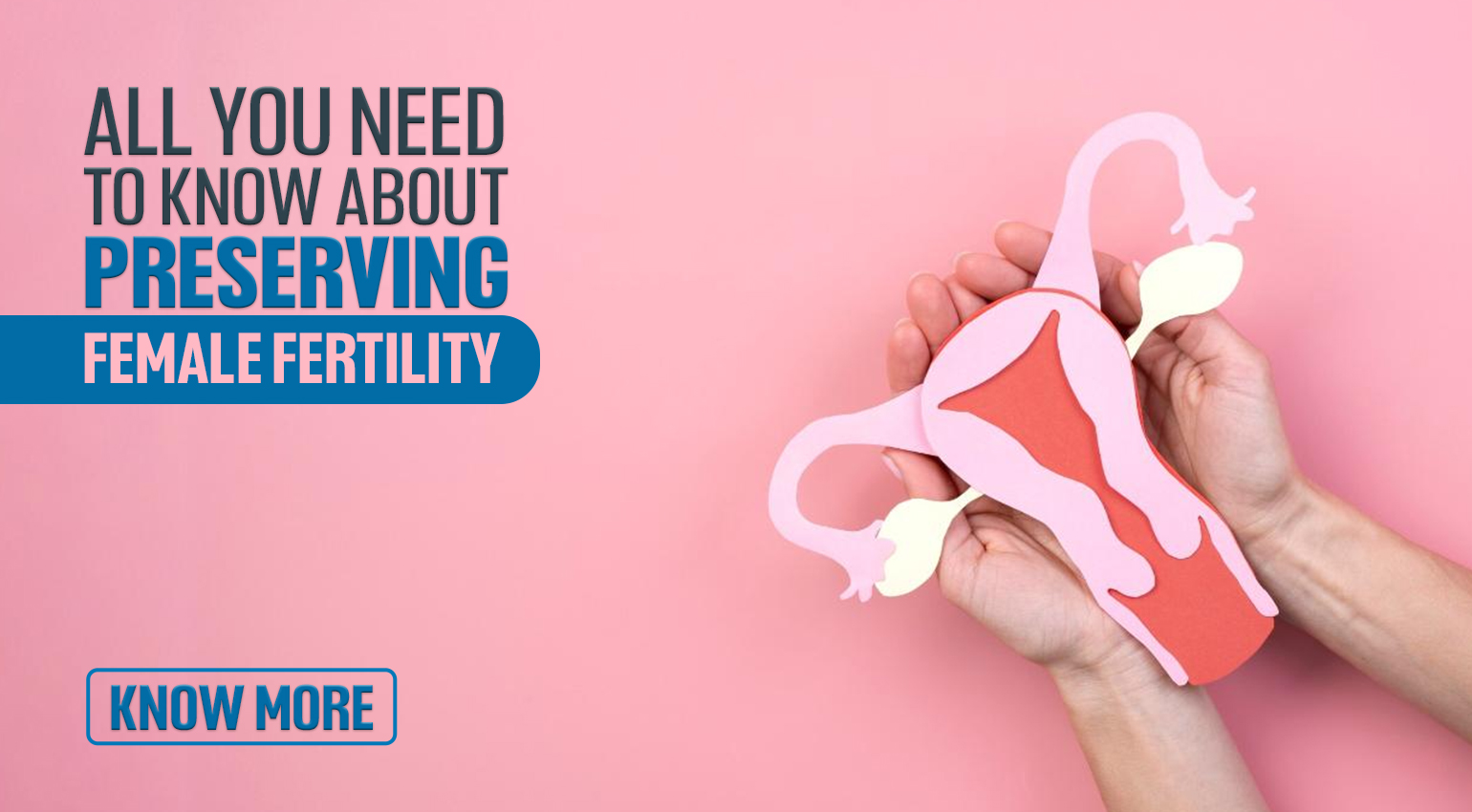 All You Need to Know About Preserving Female Fertility
 7 Signs That Your Embryo Transfer May Have Been Successful
 Understanding the Connection between Stress and Infertility
 Everything You Need to Know About Evaluation of Male Infertility
 A Comprehensive Overview of Follicular Monitoring Procedure and Success Rates at Ferticore IVF Centre
 10 Key Questions to Ask Your Fertility Specialist About IVF at Ferticore IVF Center
 Unveiling the Path to Success with ICSI Treatment in Indirapuram - Ferticore IVF Centre
 Everything You Need To Know about Laparoscopy Surgery at Ferticore IVF Centre
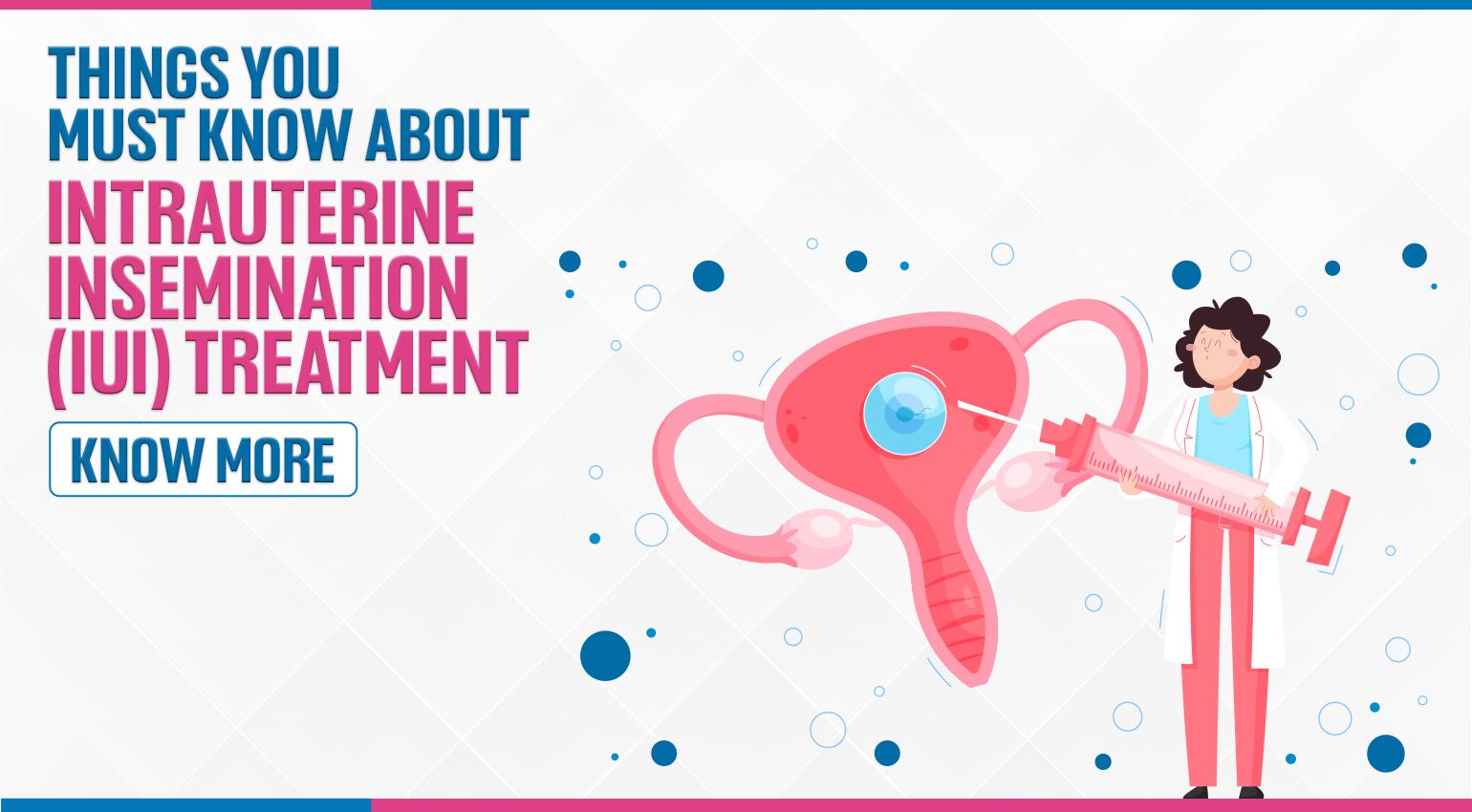 Things You Must Know About Intrauterine Insemination (IUI) Treatment- Ferticore IVF centre
 Understanding Fertility: Common Causes and Treatments
 Personalized Care in IVF: Tailoring Treatments for Individual Needs
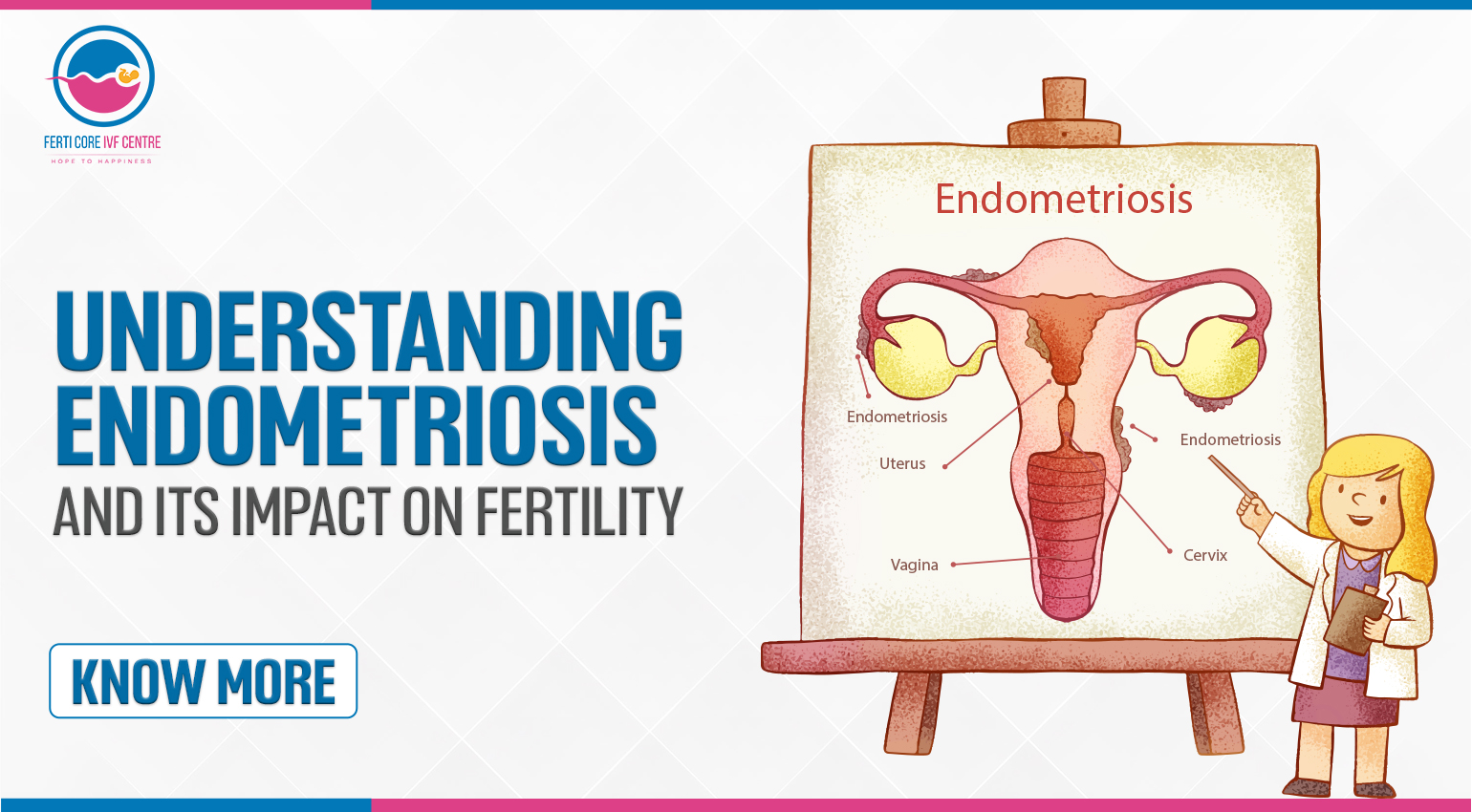 Understanding Endometriosis and its Impact on Fertility
 Navigating the IVF Journey: A Step-by-Step Guide
 10 Best Foods That Can Enhance IVF Success and Boost Fertility Naturally
Copyright © 2026 . Designed By Wafi Media Marketing Solutions Pvt. Ld.